

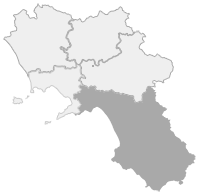
It is a geological site of global importance. It is identified with ten mofetes, scattered across the Oliveto Citra countryside, among cultivated fields, olive groves, and lush orchards.All different from each other and therefore representative of all types of moths known on the planet.
But they do share some common characteristics, starting with their connection to the Sele River basin, which flows peacefully nearby. Another shared characteristic is that they are cold gaseous emissions, although the boiling of the earth they cause instinctively suggests a heat source.
Natural gases from moths emerge from the depths of the earth. Carbon dioxide, in particular, which concentrates on the ground in significant quantities, even around the boiling pools, is completely undetectable. Unlike sulfur, which, although present in lesser quantities, is detected by its unmistakable odor that spreads for considerable distances. Mephitic is the appropriate adjective to describe it, derived as "mofeta" from the name of Mefitis, the goddess of springs and waters whose cult was widespread among the ancient Italic populations who settled in that territory. These communities linked strange phenomena observed in the land, the geological nature of which they were still unaware of, to Mefitis.
Precisely the significant concentration of carbon dioxide and other natural gases compared to oxygen makes visiting the mofetas necessary, taking simple precautions and accompanied by expert guides who are intimately familiar with the site's unique features and dangers. These aspects are the source of the site's fascination since ancient times. The presence of these gases, which inhibit the growth of vegetation around the bubbling pools, produces the opposite effect at a greater distance from the emission point. The greater amount of carbon dioxide promotes the chlorophyll synthesis of the plants, making them particularly lush. This is evident in the olive groves from which the name Oliveto Citra derives.



Comments powered by CComment